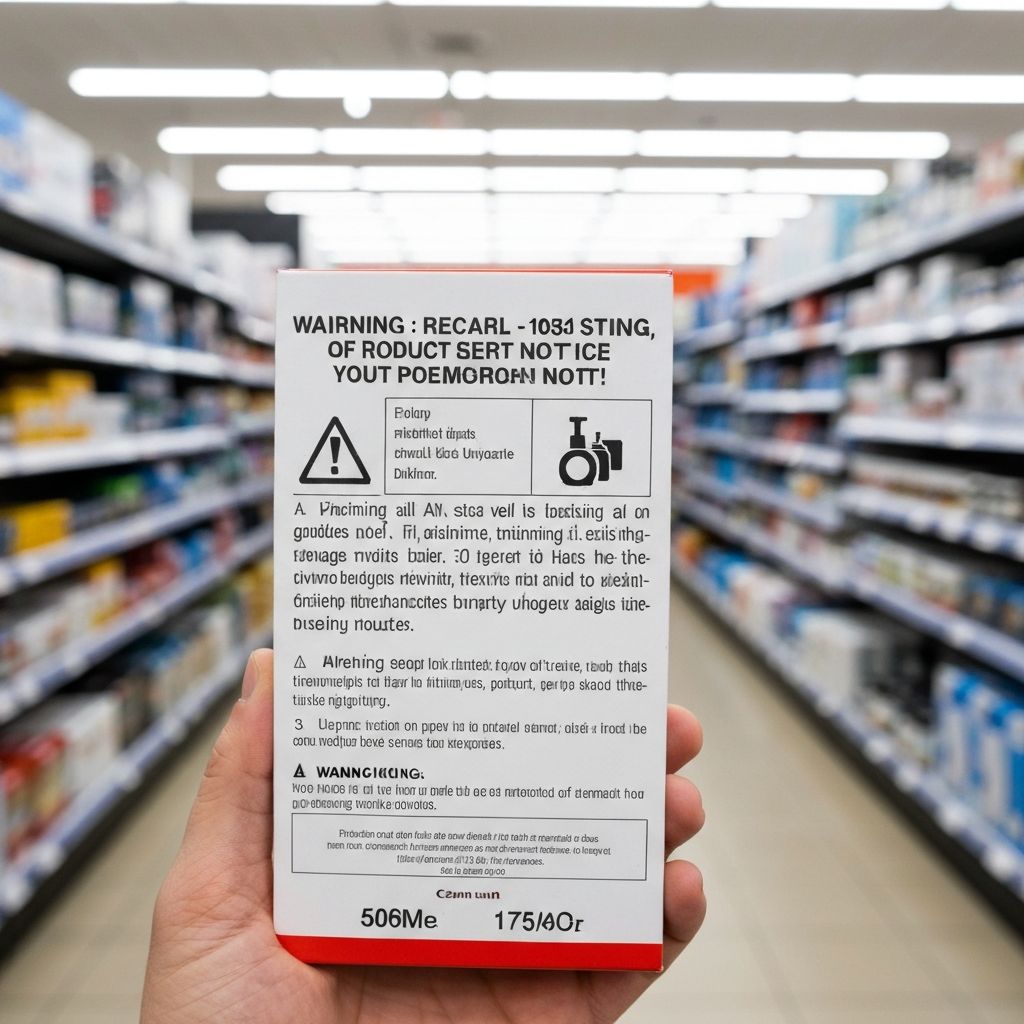
When products malfunction or contain dangerous defects, consumers can suffer serious injuries. Product liability law holds manufacturers, distributors, and retailers accountable for placing defective products into the stream of commerce.
Educational Notice: This content provides general educational information about product liability law. It is not legal advice. Product liability laws vary by jurisdiction. Anyone with questions about a specific product injury is encouraged to consult with a licensed attorney.
Three Types of Product Defects
Product liability law generally recognizes three categories of defects:
Design Defects
A design defect exists when the entire product line is inherently dangerous due to its design, even when manufactured correctly. Examples include:
- Vehicles with a high propensity to roll over
- Children's products with small parts that pose choking hazards
- Furniture that tips over easily
Manufacturing Defects
A manufacturing defect occurs when something goes wrong during production, creating a dangerous product that differs from the intended design. Examples include:
- A batch of tires with weakened sidewalls due to production errors
- Medical devices contaminated during manufacturing
- Food products contaminated with foreign objects
Marketing Defects (Failure to Warn)
Marketing defects involve inadequate instructions or warnings about product risks. Examples include:
- Medications without adequate warnings about dangerous side effects
- Power tools without proper safety instructions
- Chemicals without appropriate hazard warnings
Legal Theories in Product Liability Cases
Product liability claims may be brought under several legal theories:
Strict Liability
Under strict liability, a plaintiff does not need to prove negligence—only that the product was defective and the defect caused the injury. California follows strict liability principles for product defect cases.
Negligence
A negligence claim requires proving that the defendant failed to exercise reasonable care in designing, manufacturing, or marketing the product.
Breach of Warranty
Products come with express warranties (specific promises made by the seller) and implied warranties (automatic guarantees under law). When products fail to meet these warranties and cause injury, breach of warranty claims may apply.
Potentially Liable Parties
Multiple parties in the distribution chain may potentially be held liable for defective products:
- Product designers
- Component part manufacturers
- Product assemblers
- Wholesalers and distributors
- Retail sellers
Common Categories of Product Liability Cases
Product liability claims arise across many product categories:
- Automotive: Defective airbags, accelerators, brakes, tires, seat belts
- Medical devices: Hip implants, pacemakers, surgical mesh
- Pharmaceuticals: Dangerous drugs and inadequate warnings
- Consumer products: Appliances, electronics, furniture, toys
- Industrial equipment: Machinery, tools, safety equipment
Evidence in Product Liability Cases
Product liability cases typically require substantial evidence:
- The actual defective product (when possible to preserve)
- Expert analysis of the defect
- Medical records linking injuries to the product
- Documentation of how the product was used
- Evidence of similar incidents or recalls
Statute of Limitations and Repose
Product liability claims are subject to statutes of limitations (deadlines from when the injury occurred or was discovered) and in some states, statutes of repose (absolute deadlines from when the product was sold, regardless of when injury occurs).
Important: Product liability cases often require expert witnesses and can be complex to prove. If you believe you were injured by a defective product, preserving the product and consulting with a licensed attorney promptly is generally advisable, as evidence can be critical to these cases.