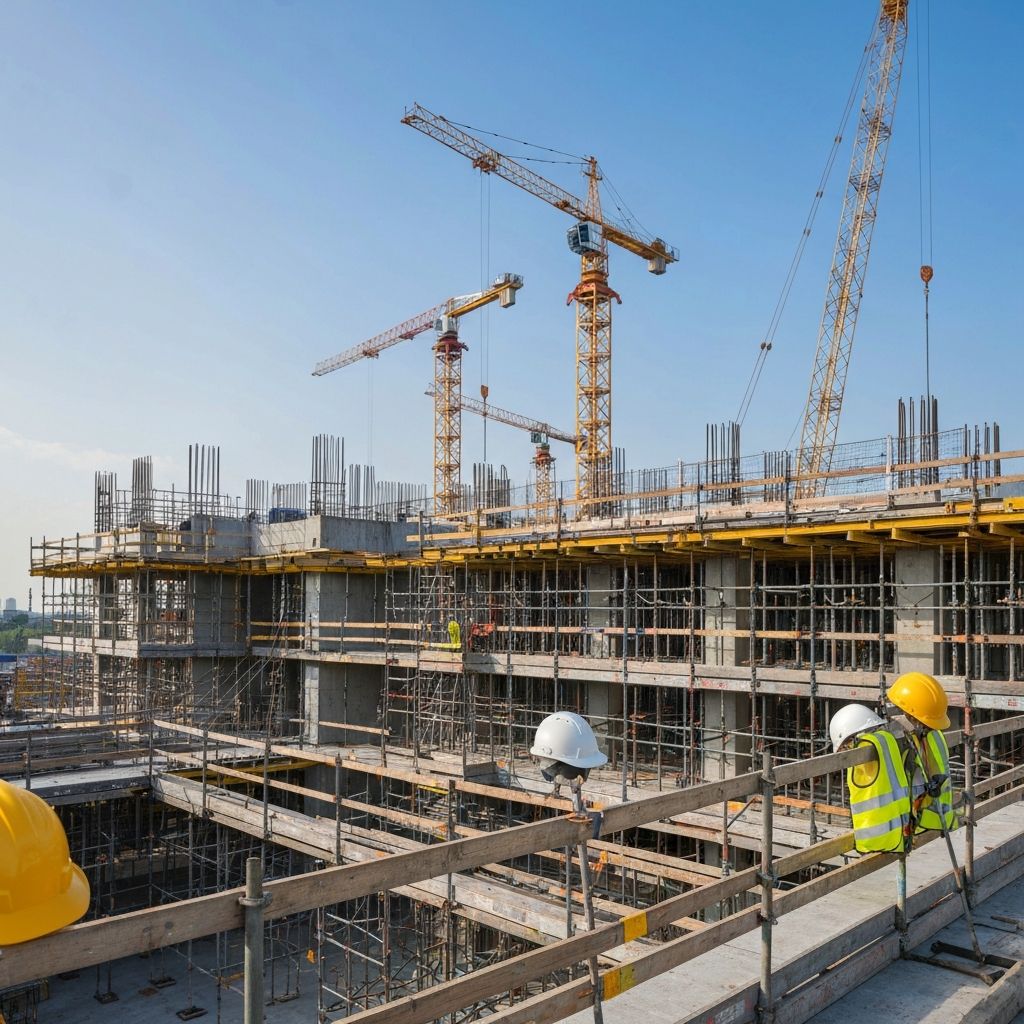
Construction sites present unique hazards that can result in serious injuries. This educational overview examines the legal framework surrounding construction accident claims and the factors that commonly affect such cases.
Educational Notice: This content provides general educational information about construction accident claims. It is not legal advice. Construction accidents involve complex liability issues, and anyone injured in a construction accident is encouraged to consult with a licensed attorney for guidance specific to their situation.
Common Causes of Construction Accidents
Construction accident statistics identify several frequent causes of worksite injuries:
- Falls from heights - Scaffolding, ladders, roofs, and elevated work platforms
- Struck-by incidents - Falling objects, moving equipment, or vehicles
- Caught-in/between hazards - Machinery, equipment, or collapsing structures
- Electrocution - Contact with power lines or faulty electrical systems
- Trench collapses - Excavation accidents and cave-ins
- Equipment malfunctions - Defective tools, cranes, or heavy machinery
Liability Considerations in Construction Cases
Construction accident liability often involves multiple parties, which legal professionals analyze when evaluating cases:
- General contractors - Responsible for overall site safety and OSHA compliance
- Subcontractors - May bear responsibility for their specific work areas
- Property owners - May have duties depending on their level of control
- Equipment manufacturers - Product liability for defective equipment
- Architects and engineers - Design defects that create hazardous conditions
Workers' Compensation vs. Third-Party Claims
Construction workers typically have access to workers' compensation benefits through their employer, which provides medical coverage and wage replacement regardless of fault. However, when third parties (non-employers) contribute to causing an injury, additional legal options may exist.
Third-party claims allow injured workers to potentially recover damages beyond workers' compensation benefits, including compensation for pain and suffering, which workers' comp does not cover.
OSHA Regulations and Their Role
The Occupational Safety and Health Administration (OSHA) establishes safety standards for construction sites. OSHA violations documented at accident scenes often become relevant evidence in injury claims, as they may demonstrate failures to maintain safe working conditions.
Types of Damages in Construction Accident Cases
Construction accident claims may seek various categories of compensation:
- Medical expenses (past and future)
- Lost wages and earning capacity
- Pain and suffering
- Permanent disability or disfigurement
- Loss of enjoyment of life
Factors That Commonly Affect These Cases
Legal professionals identify several factors that typically influence construction accident claims:
- The severity and permanence of injuries
- Documentation of the accident scene and conditions
- Witness statements and incident reports
- OSHA inspection reports and citations
- Evidence of safety violations or negligent practices
- The number of potentially liable parties
This educational content is provided for informational purposes only and does not constitute legal advice. Construction accident cases involve complex legal issues. Anyone injured in a construction accident is encouraged to consult with a licensed personal injury attorney to understand their specific legal options.