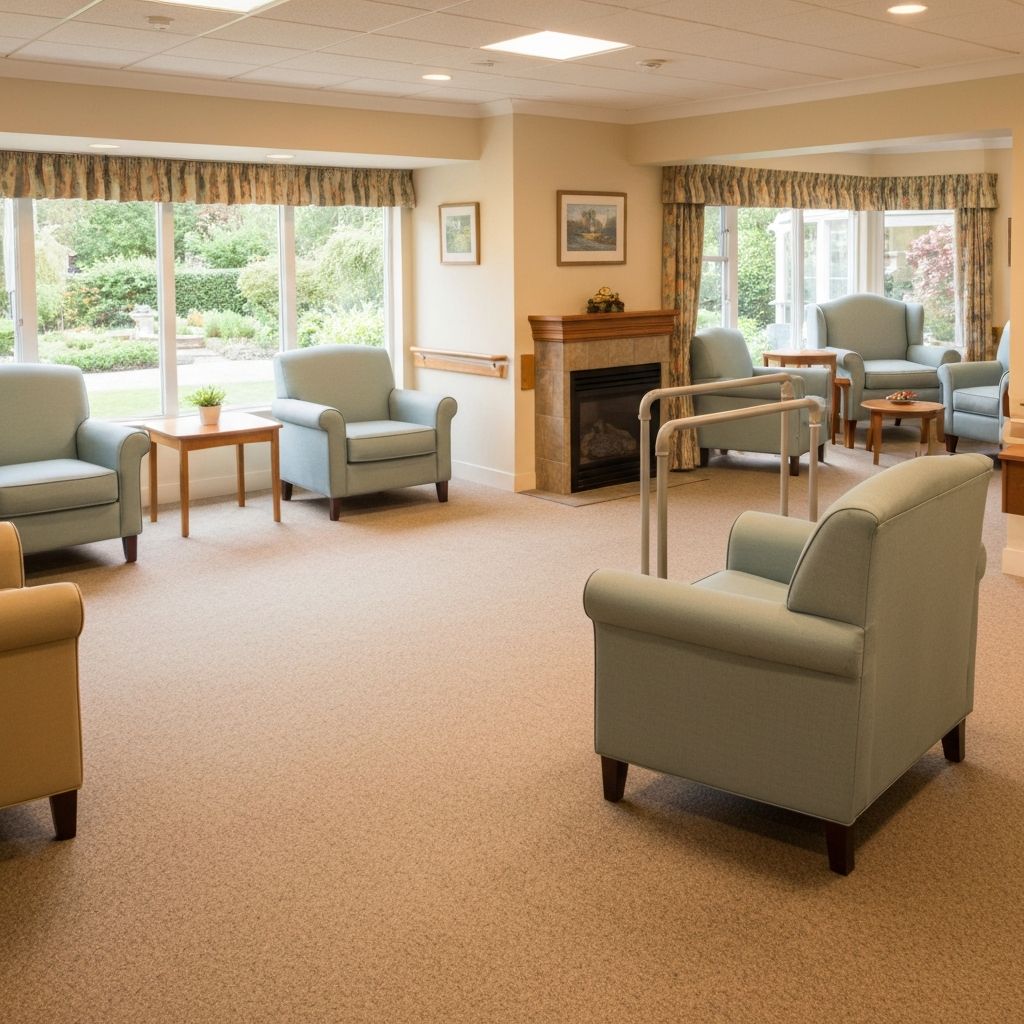
Elder abuse in nursing homes and long-term care facilities is a serious problem affecting vulnerable populations. Understanding the signs of abuse and neglect can help protect loved ones and hold facilities accountable.
Educational Notice: This content provides general educational information about nursing home abuse and neglect. It is not legal advice. If you suspect abuse or neglect, consider contacting Adult Protective Services or law enforcement. Anyone with questions about legal options is encouraged to consult with a licensed attorney.
Types of Nursing Home Abuse and Neglect
Physical Abuse
Physical abuse involves the intentional use of force that causes injury or pain:
- Hitting, slapping, pushing, or kicking
- Improper use of physical restraints
- Force-feeding or improper medication administration
- Rough handling during care
Neglect
Neglect is the failure to provide necessary care, including:
- Inadequate food, water, or nutrition
- Failure to assist with hygiene and toileting
- Failure to reposition immobile patients (leading to bedsores)
- Inadequate supervision leading to falls
- Failure to administer medications properly
- Ignoring calls for assistance
Emotional/Psychological Abuse
Emotional abuse causes psychological harm through:
- Verbal threats, intimidation, or humiliation
- Isolation from family and friends
- Treating residents like children
- Ignoring or dismissing residents
Financial Exploitation
Financial abuse involves misuse of an elder's assets:
- Theft of money or belongings
- Forging signatures
- Coercing changes to wills or financial documents
- Unauthorized use of credit cards or accounts
Sexual Abuse
Any non-consensual sexual contact with a nursing home resident, including those who cannot consent due to cognitive impairment.
Warning Signs of Abuse or Neglect
Signs that may indicate mistreatment include:
- Unexplained bruises, cuts, or injuries
- Bedsores (pressure ulcers)
- Sudden weight loss or signs of malnutrition
- Dehydration
- Poor hygiene or unsanitary living conditions
- Unusual changes in behavior or mood
- Withdrawal or depression
- Unexplained STDs or signs of sexual trauma
- Missing money or belongings
- Fear or anxiety around certain staff members
Legal Protections for Nursing Home Residents
Federal and state laws provide protections for nursing home residents:
Federal Nursing Home Reform Act
Establishes minimum standards of care and residents' rights for facilities receiving Medicare or Medicaid funding.
California Elder Abuse and Dependent Adult Civil Protection Act
Provides enhanced remedies for elder abuse, including the possibility of attorney's fees and punitive damages in certain cases.
Factors Contributing to Abuse
Research identifies several factors that increase risk:
- Understaffing and high staff turnover
- Inadequate staff training
- Poor management and oversight
- Residents with dementia or communication difficulties
- Inadequate background checks on employees
Documentation and Evidence
Evidence in nursing home cases may include:
- Medical records documenting injuries or conditions
- Photographs of injuries or living conditions
- Facility inspection reports and citations
- Staffing records
- Incident reports
- Witness statements from staff or other residents
Important: If you suspect nursing home abuse or neglect, immediate reporting to Adult Protective Services, the state licensing agency, or law enforcement may be appropriate depending on the severity and immediacy of the danger. For questions about legal remedies, consulting with an attorney experienced in elder abuse cases is advisable.